





You can summarize the following content using these AI tools:

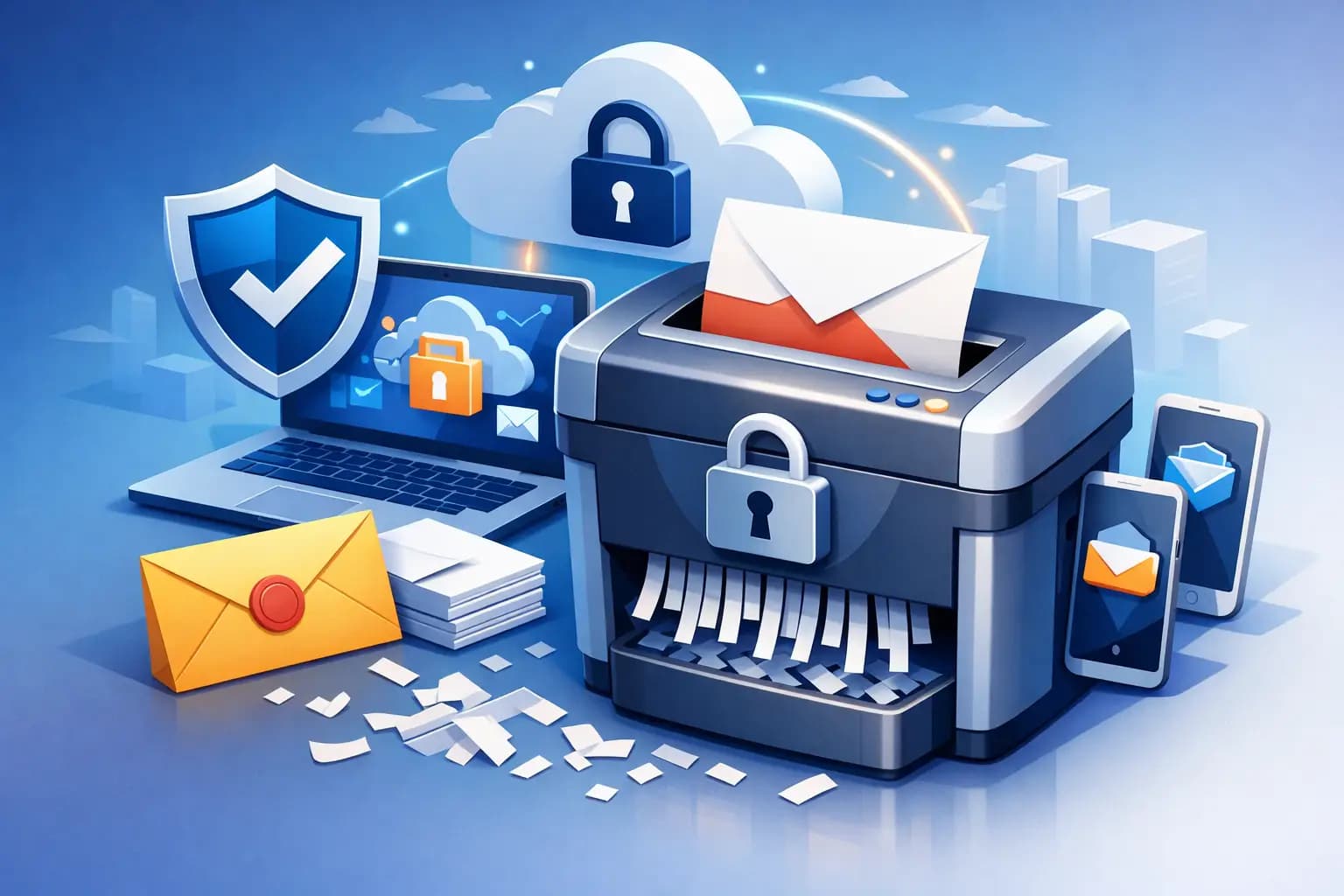
A tax notice arrives at your business address while you are in another time zone. A former vendor sends account details. A customer return includes paperwork you do not need to keep. Physical mail can contain far more sensitive information than its envelope suggests. A secure mail shredding service online gives you a controlled way to destroy what no longer belongs in your workflow, without leaving important documents unattended or relying on an office you rarely visit.
For remote founders, digital nomads, and internationally based business owners, shredding is not a minor administrative task. It is part of protecting privacy, reducing clutter, and keeping a legitimate U.S. business presence organized from anywhere.
What a Secure Mail Shredding Service Online Should Do
The value of online mail shredding is not simply that mail gets destroyed. The value is that you decide what happens to each item from a secure dashboard after you have enough visibility to make the right call.
A well-run virtual mailbox process starts when mail is received at a commercial street address. You are notified that an item has arrived, then can review the outside of the envelope or request a scan when the contents need attention. From there, you choose whether to keep it stored, forward it, deposit an eligible check, or securely shred it.
That sequence matters. Shredding should be intentional, not automatic. Government notices, banking correspondence, tax documents, legal mail, and verification records may need to be retained, downloaded, or forwarded quickly. Marketing mail, duplicate statements, outdated account notices, and documents with no continuing business value are often better destroyed once reviewed.
The right platform keeps those choices in one place. Instead of emailing instructions, calling an office, or wondering whether a request was received, you manage mail as a trackable digital workflow.
Why Remote Businesses Need Controlled Shredding
A growing business can accumulate paper even when the team is fully distributed. State filings, payment notices, vendor forms, insurance letters, returned packages, and bank correspondence still move through the postal system. Letting that mail pile up creates a visibility problem first, then a security problem.
Unopened mail can hide a deadline. Retained mail can expose account numbers, addresses, signatures, and business details to unnecessary risk. And forwarding every envelope to your home, hotel, or overseas location is often slower and more expensive than it needs to be.
Online shredding gives you a practical middle ground. You can preserve documents that support compliance and operations while removing the paper that adds no value. Your physical mailbox stops functioning as a storage closet and starts functioning as a remote operations center.
This is especially useful when your business address is used for formation records, banking, marketplace accounts, or customer-facing materials. You need reliable receipt of mail, but you do not need every piece of paper following you around the world.
The Difference Between Shredding and Simply Discarding Mail
Throwing mail into a trash bin is not a privacy policy. Even seemingly ordinary correspondence can reveal full names, addresses, account references, tax IDs, transaction information, or internal business activity.
Secure shredding is designed to make those documents unreadable and unusable after disposal. For businesses, this is a basic safeguard against preventable exposure. It also helps establish better operating habits: review what matters, retain what is required, and destroy what is no longer needed.
The trade-off is that shredding is final. Once you authorize destruction, you cannot recover the original document later. That is why a quality service should give you a chance to inspect envelope details and request a scan before making the decision. When the contents are unclear, scan first. When there is a retention obligation, forward or archive the document instead.
A simple rule helps: if a document could affect your taxes, legal status, banking, identity verification, contracts, or customer obligations, do not shred it until you have confirmed its retention needs.
Mail That Often Makes Sense to Shred
After review, shredding may be appropriate for routine promotional offers, duplicate statements, catalogs, expired notices, low-value solicitations, and correspondence that has already been digitized and does not need an original copy.
It can also be useful for outdated materials containing personal or business data. A document does not have to look confidential to create a privacy issue. An old invoice, mailing label, account letter, or application confirmation can still reveal more than you want circulating in ordinary waste.
Mail You May Need to Keep or Forward
Use more caution with government correspondence, IRS or state tax notices, legal notices, bank documents, insurance communications, original contracts, checks, and documents needed to verify your business address. These items can carry deadlines, recordkeeping requirements, or original-signature value.
For internationally based founders, it may be worth forwarding originals tied to banking or government compliance even after requesting a digital scan. A scan improves speed and visibility, but it does not always replace the need for the original paper.
A Safer Workflow for Every Mail Item
The strongest mail process is consistent. Set clear handling rules so you are not making every decision from scratch while traveling or managing a busy launch.
Start by categorizing mail based on urgency and purpose. Government, legal, banking, and tax-related items should receive priority review. Customer and vendor correspondence may need to be routed to the right team member. Low-priority mail can be reviewed in batches and destroyed when appropriate.
Next, decide who has access to the dashboard. A founder may want full control, while an operations manager or bookkeeper may need limited visibility into specific mail categories. Shared access can speed up action, but only give permissions to people who genuinely need them. Privacy works best when access is deliberate.
Finally, establish a retention routine. For example, review incoming mail weekly, forward originals monthly, and shred approved low-value mail after scanning. The exact schedule depends on your volume and industry. An e-commerce operator with returns and vendor statements may need frequent reviews; a consultant may only need a monthly workflow.
With Virtual Mail Hub, mail can be managed from a secure dashboard alongside forwarding, package consolidation, check deposit requests, and document scans. That gives remote businesses one place to act on physical mail without turning every envelope into a logistics task.
What to Look for Before You Authorize Shredding
Not every mail provider offers the same level of visibility or control. Before choosing a service, make sure the process supports the way your business actually operates.
Look for a real commercial street address rather than a P.O. box if your business also needs address credibility for formation, banking, verification, or compliance. Confirm that you will receive arrival notifications and can request scans before making destruction decisions. You should also understand whether there are fees for scans, storage, forwarding, and shredding, especially if your mail volume changes from month to month.
Security controls matter just as much as convenience. Ask how mail is handled after receipt, who can access it, how requests are documented, and whether your dashboard supports secure account access. A provider does not need to overwhelm you with jargon to explain its process, but it should make accountability clear.
Also consider location. A premium U.S. address may help your brand appear established, but it should come with dependable mail operations behind it. The address is only useful when you can see incoming mail, act quickly, and trust that sensitive documents will be handled according to your instructions.
Make Shredding Part of a Smarter Address Strategy
Your mailbox should support your business, not create another place where work disappears. When mail handling is connected to a credible business address, digital visibility, and clear actions for forwarding or destruction, you keep control whether you are working from Austin, Singapore, or an airport lounge.
The goal is not to keep less mail at all costs. It is to keep the right records, move urgent originals where they need to go, and securely remove the rest before paper becomes risk. Build that habit early, and every letter arriving at your U.S. address becomes easier to handle on your terms.

