





You can summarize the following content using these AI tools:

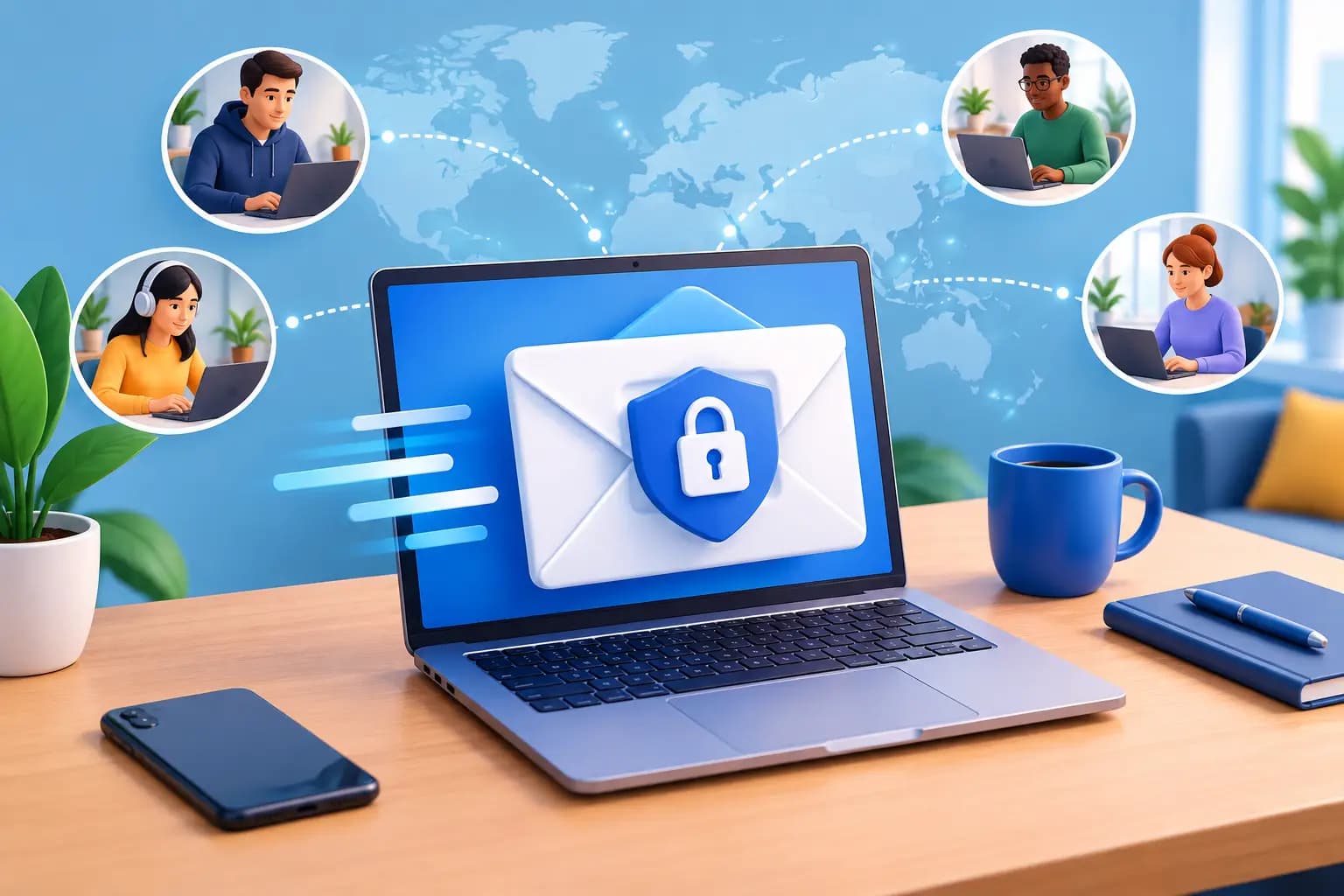
A state filing, a vendor invoice, a replacement bank card, and a customer return should not all point back to your front door. For founders who work remotely, travel often, or operate from outside the United States, mail privacy is not a minor administrative preference. It is part of protecting your identity, keeping business operations organized, and presenting a credible U.S. business presence.
Your address appears in more places than most people expect: business registrations, public directories, invoices, account applications, shipping labels, and customer-facing communications. Once a home address enters those systems, separating personal life from business can become difficult. A better setup gives you visibility over every delivery without making your private residence the center of your business.
Mail Privacy Starts With a Separate Business Address
Using a dedicated commercial street address creates a clear boundary between your business identity and your personal location. It gives government agencies, banks, vendors, and customers a consistent address for legitimate correspondence while helping keep residential details off routine business documents.
That distinction matters when your business grows. A home address may be workable for an early-stage freelancer receiving occasional letters. It becomes less practical when government notices, tax documents, customer returns, packages, and financial mail arrive alongside family deliveries. It can also create unwanted exposure if your address appears on a public business record or gets shared across a distributed team.
A commercial street address is not about hiding from valid obligations. It is about directing business mail to a professional location designed to receive it, document it, and make it available to you from anywhere. For remote operators, that is a more controlled way to handle physical correspondence.
Why Physical Mail Still Creates Digital Risk
Many businesses have moved their workflows online, but important documents still arrive on paper. Banks send verification notices. Government agencies mail deadlines. Legal correspondence, tax forms, checks, insurance documents, and account recovery letters can all land in a mailbox before they reach your digital systems.
When mail sits unattended at a residence, several problems can follow. A time-sensitive notice can be missed while you are traveling. A roommate, building staff member, or former employee may see sensitive information. Packages left at a doorstep may be lost or stolen. Even ordinary envelopes can reveal the names of banks, agencies, suppliers, or clients you work with.
Mail privacy means reducing those unnecessary exposure points. It also means giving yourself a reliable process for handling what arrives. The strongest setup combines a professional receiving location with controlled digital access, clear handling instructions, and a record of what happened to each item.
What Secure Mail Management Should Look Like
A virtual mailbox should turn physical mail into an organized workflow, not simply move it to another address. When an item arrives, you need to know it is there quickly. From a secure dashboard, you should be able to review the outside of the envelope, decide what action is appropriate, and maintain control even when you are in another city or country.
The right action depends on the item. A tax notice may need to be opened and scanned immediately. A package may need international forwarding. A duplicate marketing letter may be securely shredded. A paper check may require a deposit request. The advantage is not that every piece of mail is treated the same. It is that you set the instruction without waiting to be physically present.
For a founder or small team, a practical mail workflow often includes four actions:
- Receive arrival notifications so important mail is not buried in a physical mailbox.
- Request scans only for documents that require review, limiting unnecessary handling.
- Forward packages or original documents when a physical copy is needed.
- Securely shred mail that has no operational or retention value.
This approach keeps the process simple while creating accountability. You can see what arrived, determine what needs attention, and avoid storing years of unwanted paper in a place you rarely visit.
Access Controls Matter as Much as the Address
Mail can contain account numbers, tax identifiers, contracts, and personal information. A secure dashboard should therefore be treated like any other business system that holds sensitive records. Use strong credentials, limit access to people who genuinely need it, and remove access promptly when a contractor or employee leaves.
For small teams, shared visibility can be useful, especially when one person handles operations and another handles finance. But shared access should be intentional. The person responsible for a government notice or bank request should be able to see it promptly, while other team members do not need unrestricted access to every document.
Digital scans also need sensible retention habits. Keep compliance-sensitive records according to your accountant, attorney, or internal policy. Delete what no longer needs to be stored. Mail privacy is stronger when sensitive information is not scattered across inboxes, personal devices, and paper piles.
Privacy and Compliance Need to Work Together
Some founders assume that a private business address means an anonymous business address. That is not the goal, and it can create avoidable problems. Banks, payment platforms, government agencies, and formation services may require verified information about the people behind a company. They may also have separate rules for a business address, a mailing address, a registered agent address, and an owner’s residential address.
The right mailing solution supports legitimate verification rather than trying to bypass it. A commercial address can help establish a professional business identity for correspondence and operations. Depending on the service and location, formal documentation such as a signed commercial lease or utility bill can also support address verification needs for business formation, banking, and compliance workflows.
Still, requirements vary. A virtual business address may not replace a registered agent where one is required, and some financial institutions may request a residential address for customer identification even when your business uses a commercial address. Confirm the requirements for your state, entity type, and institution before relying on any address for a specific purpose.
Choosing a Mail Privacy Setup That Fits Your Business
Start with the address itself. If customers, banks, or vendors will see it, choose a real commercial street address in a location that aligns with your business identity. A premium U.S. office location can create a stronger impression than a generic mailbox while giving you a stable point of contact as your team moves.
Next, look at how mail is handled after arrival. Fast notifications, scan requests, forwarding options, package consolidation, check deposit support, and secure destruction are practical capabilities, not extras. They determine whether your address actually saves time or creates another inbox to manage.
Finally, evaluate the provider’s security and documentation practices. You want a service that follows applicable USPS mail-handling requirements, verifies customers appropriately, protects dashboard access, and can provide the business-address documentation your company may need. Virtual Mail Hub brings those pieces together through commercial address options, controlled mail handling, and a secure dashboard built for mail management on autopilot.
The best setup is the one that fits your real operating rhythm. A digital nomad may prioritize international package forwarding. An ecommerce seller may need dependable returns handling. An overseas founder may need address documents for U.S. business verification. A consultant may simply want a professional address that keeps client correspondence away from home.
Frequently Asked Questions
Is mail privacy legal for a U.S. business?
Yes. Using a legitimate commercial mailing address for business correspondence is a common and lawful practice. The key is to use the address accurately and meet the separate verification requirements of banks, government agencies, and other institutions. A business mailing address does not eliminate the need to provide personal information when a law or provider requires it.
Can a virtual mailbox protect my home address?
A virtual mailbox can help keep your home address off routine business mail, vendor records, customer communications, and many business-facing documents by giving you a separate commercial address to use. Review each filing or account application carefully, since some may still require a residential address privately for identity verification.
What happens when sensitive mail arrives?
You receive an arrival notification and can direct the next step through your online dashboard. Depending on the item and your service options, you can request an open-and-scan, forward the original, deposit an eligible check, or securely shred mail you no longer need. This gives you control without leaving sensitive envelopes unattended at home.
Can I use a commercial address while living outside the United States?
Yes, many internationally based founders use a U.S. commercial address to receive business mail and manage it remotely. You can review requested scans online and arrange forwarding when originals or packages are needed. Before opening financial accounts or completing government filings, verify the institution’s specific address and identity requirements.
A private home should not have to function as your reception desk, records room, and package depot. Give business mail a professional destination, then manage every decision from wherever work takes you.

