





You can summarize the following content using these AI tools:

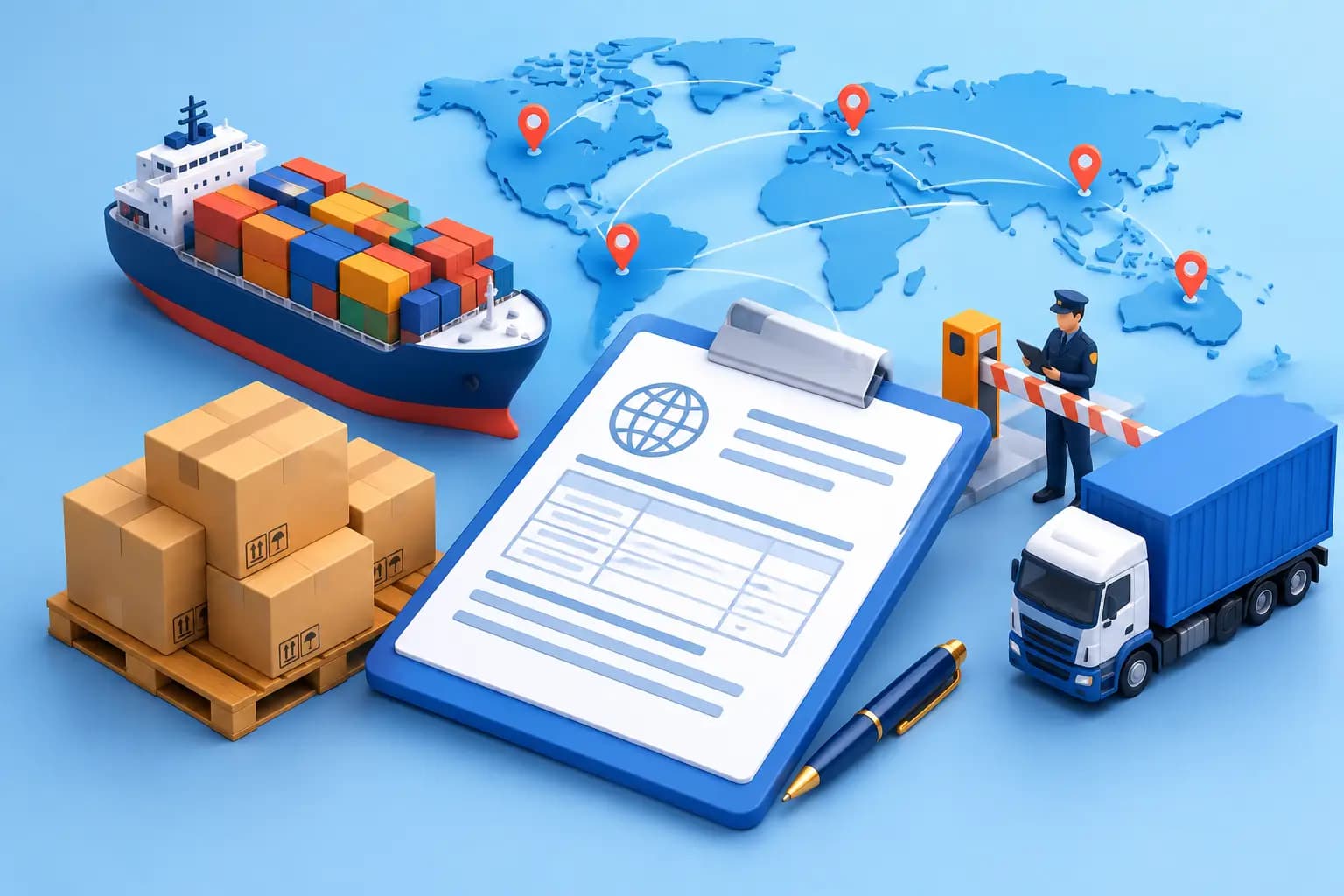
A package can be packed perfectly, labeled clearly, and still stop at the border because its paperwork does not tell customs officials what is inside, what it is worth, or why it is being shipped. This international customs forms guide helps remote business owners, e-commerce operators, and global founders complete shipment declarations with the detail that cross-border shipping requires.
International Customs Forms Guide: Start With the Shipment Facts
Customs forms are legal declarations, not a shipping afterthought. They give the destination country enough information to assess duties and taxes, identify restricted goods, and determine whether the shipment can enter the country. A vague description such as “gift,” “samples,” or “parts” often creates more questions than answers.
Before opening a carrier portal or handing over a package, collect the shipment facts in one place. You need the recipient’s complete name, delivery address, phone number, and email address when required. You also need a clear description of every item, the quantity, item value, total shipment value, country of origin, weight, and the reason for export.
For commercial shipments, keep the commercial invoice, packing list, and customs declaration consistent. If the form says three phone cases valued at $60, the invoice and package contents should support that statement. Inconsistencies can lead to holds, requests for documentation, revised duty assessments, or a return to sender.
A practical rule: describe an item so a customs officer who has never seen your store, product catalog, or brand can identify it. “Cotton men’s T-shirt, knitted, made in Vietnam” is far more useful than “apparel.” “Wireless Bluetooth headphones” is better than “electronics.”
Choose the Right Form for the Carrier and Destination
The exact customs form depends on the shipping service, carrier, destination, shipment value, and contents. Postal shipments may use postal customs declarations, while private carriers generally collect the same information through an electronic commercial invoice and shipping label workflow. Some destinations require additional permits, certificates, tax registrations, or importer information.
Do not assume a form used successfully for one country will work everywhere. Duty thresholds, prohibited-item rules, import tax processes, and required recipient identifiers can change by destination. For example, a country may require a tax ID for certain commercial imports, while another may ask the recipient to pay duties before release.
Most shipping platforms will prompt you for a harmonized system, or HS, code. This international classification system helps customs authorities identify products and apply the appropriate duty rate. The first digits are broadly standardized, but country-level classifications can be more specific. Use the best-supported code available for the actual product, not a broad category selected for convenience.
If you ship regularly, create an internal product catalog with approved descriptions, HS codes, country-of-origin data, weights, and declared values. That turns repeat shipments into a controlled workflow rather than a fresh guessing exercise every time an order leaves your office.
Declare Value, Origin, and Purpose Honestly
Underdeclaring a shipment’s value may look like a shortcut to lower duties, but it exposes both sender and recipient to delays, penalties, denied insurance claims, and customs enforcement action. Declared value should reflect the transaction value or fair market value, depending on the shipment type and carrier guidance.
A gift is generally a personal shipment sent without payment between individuals. It is not a label to use for customer orders, inventory transfers, promotional merchandise, or business samples simply because the recipient is not being charged at delivery. Similarly, “documents” should only be used for qualifying paper materials, not for products or merchandise.
Country of origin means where the goods were manufactured or substantially transformed. It does not mean the country where your company is registered, where a product was purchased, or where the package is mailed. This detail matters because duty rates, trade agreements, and import restrictions may depend on origin.
The export reason also needs to reflect reality. Common categories include sale of goods, gift, return, repair, sample, and personal effects. A returned customer order may need information about the original shipment. A repair shipment may need a description that makes clear the item is temporarily crossing the border. When the purpose is unusual, add a concise explanation in the invoice notes if your carrier allows it.
Avoid the Details That Cause Border Delays
Customs reviews often slow down for simple, preventable reasons. The most common problems are incomplete descriptions, missing recipient contacts, incorrect values, inconsistent documents, and goods that need special handling.
Pay particular attention to products containing lithium batteries, food, cosmetics, medical devices, alcohol, tobacco, plants, animal-derived materials, and branded goods. These categories can be restricted or subject to additional documentation. A carrier may accept a package at pickup but still be unable to transport it to a specific destination.
Also consider who will pay import charges. Depending on the carrier and service, duties and taxes may be billed to the recipient, sender, or a third-party account. If you promise delivered-duty-paid service to customers, build those expected charges into your operational process before the package ships. If the recipient is responsible, state that policy clearly at checkout or before dispatch.
For high-value shipments, regulated goods, or repeated imports into the same market, specialist customs advice can be worth the cost. The right answer depends on the product, the shipment value, the importer of record, and the destination’s current rules. A generic template is not a substitute for compliance review.
Build a Repeatable International Shipping Workflow
Global shipping becomes easier when paperwork is part of fulfillment, not a manual task performed after the order is packed. Start with accurate product data at the inventory level, then connect it to the shipping workflow your team uses every day.
Use the same business name and sender details across labels, invoices, payment records, and customer communications. If you operate remotely, keep a reliable U.S. return address and a process for managing undeliverable packages. A commercial business address can support a more credible sender identity, but only use an address for returns or shipping when you are authorized to receive and manage those packages there.
Virtual Mail Hub gives founders a legitimate U.S. business address and a secure dashboard for mail and package visibility, which can simplify the operational side of running a distributed business. For international forwarding, confirm package eligibility, carrier options, and destination restrictions before instructing shipment. Visibility is valuable, but accurate customs data is what keeps a package moving once it reaches the border.
Create a final pre-shipment check for your team. Confirm that the recipient details are complete, item descriptions are specific, values are supportable, origin information is correct, and the selected service can carry the contents. Keep copies of shipping labels, invoices, and declarations in your order record. If customs or a customer asks a question later, you will have the facts ready.
Frequently Asked Questions
What information is required on an international customs form?
Most forms require the sender and recipient details, item descriptions, quantity, weight, declared value, country of origin, HS code when applicable, and the reason for export. Commercial shipments may also require an invoice, tax identifier, importer details, or other destination-specific documents.
Can I mark a business shipment as a gift?
No. A gift designation is generally intended for qualifying personal, non-commercial shipments between individuals. Customer orders, inventory, samples, and promotional goods should be declared using their real commercial purpose and value.
Who pays duties and taxes on an international shipment?
It depends on the carrier service and the terms selected for the shipment. The recipient often pays, but the sender can choose to cover charges in some cases. Confirm the billing arrangement before shipping so customers are not surprised by a payment request at delivery.
What happens if customs forms are incomplete or inaccurate?
Customs may hold the shipment, request more documents, reassess duties, return the package, or impose penalties in serious cases. The most reliable habit is simple: treat every declaration as a precise record of what is actually inside the box.

